Finding Your Spark When Stuck With Poetry
Writing poetry can be a struggle; there’s no way around that. Sometimes, no matter how hard you try, the ideas don’t come, and the poetry doesn’t flow. And the longer this happens, the more you might feel like screaming, giving up, or even throwing your laptop across the room.
Before you do, let’s take a breath together, as I assure you it isn’t worth it. These moments are not a reflection of your talent as a poet, even if in the moment you may believe otherwise. In fact, inspiration can be hard to find, difficult to phrase, and sometimes tricky to make shine. In this article, I’ll be covering a few tips and tricks I’ve learned throughout the years that help me greatly in my own writings, in the hopes that some shall resonate with you and help bring back your own spark too. Let’s dive into it!
Emotion is Crucial
Emotion is a central part of good writing, and one of the best foundations you can have when creating poetry, or any other art form. Personally, how I would put it is that putting your emotions into a piece is how you put your soul and being into it; your mood in-and-of the movement will set the stage and create the tone of your poem. Often that’s precisely what makes your poem memorable and unique, and not an endless list of techniques (though those are certainly important too!). These feelings are like a key to your inner world, opening doors to thoughts and connections that are otherwise abstractly unique to you.
For instance, say you’re writing a poem after a heartbreak to help you cope with what you feel, you use what those emotions bring up to convey them and get that negativity out of you. Our thoughts are informed by our experiences, and because all our experiences are highly unique, so will our poems. The kind of subconscious links you may have with certain thoughts, emotions, and memories share the essence of the most beautiful and heartfelt metaphors, so don’t be afraid to be daring when writing down your ideas.
Write Down Everything
One of my better poems was written by joining verses written months apart in very different periods of my life, which created the sensation of reliving those moments all over again. Absolutely anything and everything you write can be used, even if you don’t use it word-for-word. Perhaps you might not know what to do with it now, but you might have a brilliant idea for it in six months’ time and transform it into something incredible. Writing your ideas in a special copybook, or even a note on your phone, can greatly help you keep track of them. Furthermore, having your old work on hand can feel like owning a poetic diary, each entry as a reflection of yourself in a particular moment and state of mind. It’s fascinating to look back on them and admire just how much you’ve grown since then. If you’re really stuck, a fun exercise to try is to sit down and just write down anything and everything you can think of for (x) minutes, or until the inspiration runs out. One of my favourite poems was written in this manner whilst I was procrastinating work at a library, which came right out of nowhere. Now, of course I recommend you do study, but if you’re really stuck you can always turn procrastination into a productive moment!
Listen to Other Voices
Oftentimes, the way you write is inspired by someone else, as to write well a personal set of inspirations is a necessity. That’s why I would urge you to be curious and discover other artists, even poetry written by your peers. Everyone has a truly incredible and unique voice; you’d be surprised by how much you can learn from a peer’s work! For me, I recall that a lot of my early works were inspired by the gruesome metaphors of Sylvia Plath during the Leaving Cert, as I found it fun to play around with their dramatic factor. Think of her dramatically iconic line, “little bloody skirts!” from Poppies in July, for instance. Similarly, when we studied Hamlet, I began experimenting with the ‘Old English’ style of writing to create more gothic and creepy poems, trying to emulate the style of poets such as Edgar Allan Poe. Referring to others can be a huge part of building your own style, encouraging you to learn and experiment with different ideas to discover what best works for you.
Try Out Some Prompts
Poetry is fun, not enough credit is given to just how much fun you can have with it. As we’ve seen, sometimes the best starting points are from ideas elsewhere, such as with prompts. I often find a more limiting prompt more enjoyable to write for; working within a stricter set of thematic or technical parameters can feel oddly liberating! It can also help you see things under a new light, particularly when writing from a specific perspective you may have never considered. If you really want to challenge yourself, look for prompts that limit you to obscure or offbeat formats, like ones for limericks or villanelles. A great source for prompts is magazine submissions and poetry competitions, which often require one to write under specific guidelines. As a bonus, participating in submissions can also be a great strategy if you’re considering publishing a poetry collection someday and want to work on making yourself more known. Personally, I recommend getting some poems individually published elsewhere before publishing your own collection, as most submissions only accept unpublished poems. Lastly, be cautious of entry fees, but there are always free opportunities going, easily found on websites such as The Irish Writer’s Centre.
Final Thoughts
Sometimes all it takes to write a good poem is an idea. You may know everything technical about poetry and may have read every poem known to man, but if it is not born from you, from your emotions, curiosity, and experiences, then it will never reach its true potential. I believe that a poem does not need to be perfect to be memorable, but simply relatable, empathising with your reader and showing them a part of you that they’ll likely very much relate to. This is what makes poetry powerful, and unfortunately so subjective. Not everyone will appreciate your work, and it may often get rejected from submissions and competitions. Never let this discourage you, for there will always be someone who will find solace in your work. Until then, focus on you: on experimenting, on dreaming, and on truly having fun with your work, for that’s what poetry truly is about. So, get that pen, get those stories, and get writing, for the next great poem is always itching to be born.
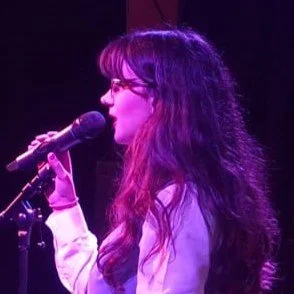
Looking for a place to start? Come along to our Silver Slams poetry performance competition! This is an event held by the Publication and Literary Society that allows poetry enthusiasts of all kinds to come enjoy some spectacular poetry written by their peers and more! It also allows all who wish to compete their poem in the form of a slam, or poetry performance, for the chance to win a prize. Interested in bringing your poetic passions to a new audience at our Silver Slams contest? Make sure to visit our Instagram page @mupublitsociety or email us at publicationliterary@mulife.ie to learn more about this amazing event and about all the work we do. We hope you’ll come join us for a poetry-filled night.
Until then, never stop writing.